
Direct answer
Yes, a positive experience is possible for Americans who prepare well, but the current US advisory must guide whether, when and where they travel. Choose locations and routes consistent with that guidance, reassess conditions before each trip, use identified transport and sound digital habits, and seek property advice only after the travel decision is appropriate.
Key points
- Colombia offers established communities and rich daily life.
- Thoughtful neighborhood choice supports comfort and confidence.
- Current official guidance helps plan routes responsibly.
- Simple transport and digital habits reduce avoidable exposure.
Why a positive, well-prepared life in Colombia is realistic
Colombia is a large and varied country where many international residents and visitors build rich routines around work, family, culture, nature and community. Well-established urban neighborhoods, professional services and familiar everyday precautions can make a thoughtful move feel both exciting and manageable.
A positive view does not require pretending that every region or situation is the same. The most useful approach is to choose the city and routes carefully, follow current official guidance and adopt local habits that reduce avoidable exposure—just as a responsible newcomer would in any unfamiliar country.
Use current guidance to plan with confidence
Consult the US Department of State country and regional guidance immediately before travel, then connect it to local conditions and government emergency information. Colombia is geographically diverse, so current route-level planning helps visitors enjoy the appropriate destinations without treating the whole country as one uniform risk category.
Choose a neighborhood that feels good in daily life
Visit the target block by day and evening, ask how residents travel, and examine entrance, lighting, parking, deliveries and backup systems. Planning airport routes and late arrivals in advance makes a well-chosen home easier and more comfortable to use from the first week.
Adopt simple habits that support an enjoyable routine
Use identified transport, keep valuables discreet, protect phones and financial apps, meet new contacts in familiar public places and share important plans. Copies, emergency contacts and insurance add resilience. Patricia can provide property and access context while official guidance remains the source for current conditions.
Turn official guidance into a confident Colombia plan
Use the current US Department of State advisory as a planning tool, reading the regional detail rather than treating its headline as a description of every Colombian destination. Identify the places appropriate to your trip, note any areas the advisory says to avoid or reconsider, and recheck before travel because conditions can change.
A simple arrival plan—identified transport, a destination contact, mobile connectivity and a backup—helps the first days feel organized. Property visits are more comfortable when participants and meeting points are confirmed, the itinerary is shared and documents or purchase funds remain securely stored.
Build comfort and awareness into the daily routine
At a target home, examine pedestrian approach, vehicle entry, visitor verification, delivery practices, lighting, locks, cameras, emergency exits and backup power for access systems. These features can add reassurance and convenience, especially when paired with routes to essential services tested at normal hours.
Everyday habits complete the picture: separate daily spending from primary accounts, protect devices and recovery methods, keep valuables discreet, use identified transport and share important plans. These practical precautions complement current official guidance; they never replace a warning to reconsider or avoid a destination.
The Colombia relocation confidence pack
A move becomes more enjoyable and dependable when housing is part of a tested plan. Keep immigration, tax, health and property decisions connected while giving each one the evidence and timing it deserves.
- Current official visa category, document timetable and professional advice for the applicant’s facts.
- Cross-border tax map covering residence, income, reporting and the proposed property acquisition.
- Healthcare, medication, insurance and emergency-access plan tested in the target city.
- Monthly and transition budgets in COP under favorable, neutral and adverse exchange rates.
- Neighborhood diary covering ordinary transport, noise, services, language needs and community.
- Reversible housing plan, contingency funds and a route home if health, family or immigration changes.
A scouting trip can turn enthusiasm into first-hand knowledge. Buying becomes a natural next step when the Colombian city and everyday routine have demonstrated that they deserve the commitment.
Decision checklist
- 1Read the current official advisory
- 2Choose appropriate city and routes
- 3Experience the neighborhood by day and evening
- 4Review building access and emergency systems
- 5Set transport and digital-security habits
- 6Keep insurance and contacts current
Questions international buyers ask
Can Americans live well and feel comfortable in Medellín?
Yes, a rewarding routine can be possible when the location fits their life, but the current US advisory must come first. If that guidance supports the trip, experience the exact routes by day and evening, use identified transport and apply sensible digital habits. Conditions vary, so current official and address-level knowledge are more useful than a slogan about the whole city.
How can a buyer adviser support a comfortable neighborhood choice?
An adviser can document access, lighting, visitor controls, transport patterns and the way the property supports the buyer's routine. Because no professional can guarantee changing public conditions, combine that property context with official guidance, local observation and your own comfort assessment.
How do I make a property-viewing trip enjoyable and well organized?
Review current travel guidance, share the itinerary, use identified transport and confirm every participant, route and meeting point. Carry only the documents and valuables needed for the day, maintain a local contact and backup plan, and leave enough time to experience the neighborhood beyond the scheduled visit.
How Patricia’s international buyer operation works
One buyer brief, one accountable lead and the local evidence each city requires.
01 · Define
Patricia clarifies destination, use, COP budget, timing and non-negotiables in English.
02 · Compare
The search uses a shared scorecard, verified availability and evidence—not an unfiltered portal feed.
03 · Verify
Finalists receive the appropriate physical, building and independent legal checks before commitment.
04 · Coordinate
Negotiation, payment, deed, registration and handover follow one documented timetable.
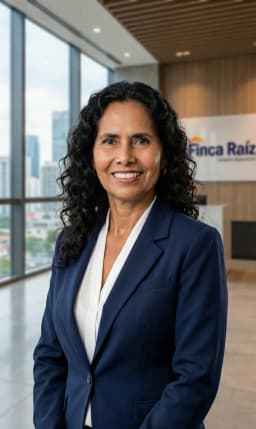
About Patricia Herrera
Real-estate adviser based in Bucaramanga with more than 15 years of market experience. Patricia personally handles international buyer briefs in English and leads the nationwide search and transaction coordination.
About Patricia HerreraPrimary and official sources
Rules and advisories can change. Open the official source and verify the version in force for your transaction.
- U.S. Department of State · Colombia travel advisory
- Government of Canada · Travel advice for Colombia
This material is general education, not legal, tax, investment, immigration or safety advice. Use qualified professionals for your facts.